Jimi Hendrix changed music forever. The iconic ‘60s rocker’s guitar sounded like nothing before it. His songs still blast from radios, movies, and playlists decades later. But behind that legend sits a quieter story, one filled with missed checks, broken promises, and musicians left behind.
Now that story is playing out in court. The estates of bassist Noel Redding and drummer Mitch Mitchell are suing Sony Music Entertainment UK and the Hendrix estate. Their claim is blunt and painful. The men who helped make rock history died with little to show for it.
The lawsuit says both musicians “died in relative poverty, having earned almost nothing from the recordings that defined their careers and their lives.” That line hit hard when it was read in London’s High Court earlier in December 2025. It cut through decades of fame and pointed straight at money, or the lack of it.
Redding and Mitchell were not side players. They were The Jimi Hendrix Experience. From 1966 to 1969, the trio reshaped rock music. The sound was raw, loud, and fearless. And the money, according to this lawsuit, flowed elsewhere.
The Albums That Made Millions

Classic Rock / IG / The case centers on three albums that changed everything. “Are You Experienced”. “Axis: Bold as Love”. “Electric Ladyland”. These records still sell, still stream, and still earn.
“Electric Ladyland” alone spent 40 weeks on the Billboard 200 and hit number one.
The estates argue that Redding and Mitchell were “consistently excluded” from their fair share of the revenue. Not just during their lives, but long after. They say the royalties tied to these albums should count as property rights. Rights that passed to their heirs after death.
However, Sony says the original recording copyrights belonged to the producers, not the musicians. They also say the bandmates settled these issues long ago.
After Hendrix died in 1970, Redding and Mitchell reached deals with his estate. Redding took a one-time payment of $100,000. Mitchell received $247,500. Sony argues those deals closed the door on future claims.
The estates say those payments were small, final only on paper, and never meant to erase decades of future income. A London judge agreed the case deserved a full trial. Sony tried to shut it down.
The Price of Playing Beside a Legend
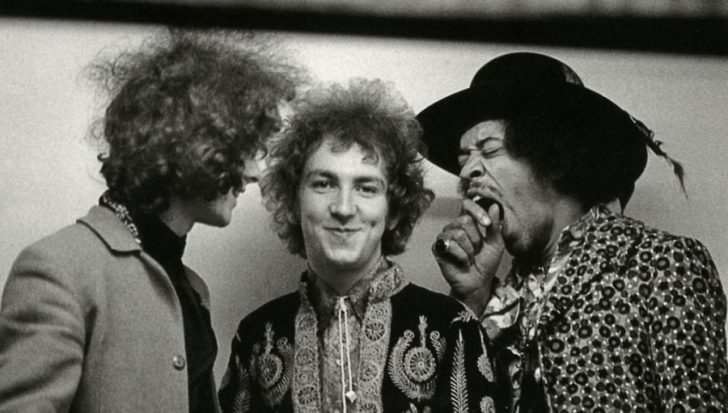
The lawsuit paints a grim picture of life after the spotlight. Noel Redding died in 2003. Mitch Mitchell died in 2008. According to their barrister, both men struggled financially near the end of their lives. Medical bills piled up. Income slowed. The music kept earning, but not for them.
That gap sits at the heart of the case. How could musicians tied to some of the most famous albums ever end up broke? The estates say the system failed them. Old contracts, confusing rights, and power imbalance did the damage.
The legal team also leaned on a human argument. They told the court that Hendrix would not have wanted this. “For surely, he would have wanted his fellow musicians to receive everything to which they are entitled.” It is a simple line, but it lands with weight.
Sony’s lawyers pushed back with their own metaphor. They said suing Sony is like “suing the sub-tenant of one room in a house for trespass.” Their point is clear. Sony says it only distributes the music. The Hendrix estate controls the rights.