Starbucks is no longer thinking small about its future outside the U.S. The company sees international markets as its biggest growth engine over the next decade. Leaders have made it clear that global expansion is not just about opening more stores. It is about earning a place in daily routines. That goal shapes how Starbucks designs menus, partners with local firms, and builds stores that feel familiar in each market.
The growth target is bold because competition keeps rising in most countries. Local coffee chains move fast and understand regional habits better than any global brand. Starbucks knows it cannot rely on its logo alone. It needs to show up with products, spaces, and pricing that make sense to people who already have strong local options.
Local Food Is a Growth Engine
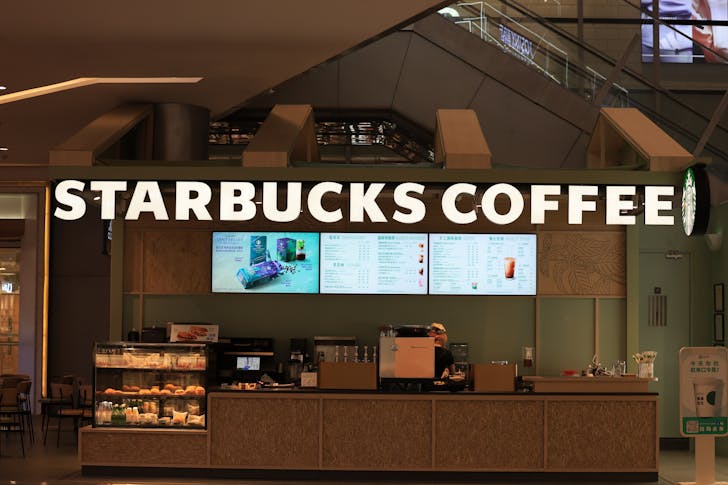
Andy / Pexels / Starbucks uses food to signal that it respects local taste. A stroopwafel in the Netherlands and saffron tiramisu in India send a clear message to customers.
The brand listens before it sells. This approach lowers the mental barrier for first-time visitors. People feel seen when a global chain offers something familiar on the menu.
Local food also brings repeat visits that coffee alone may not lock in. A customer might stop in for a snack after work or meet friends for dessert. These moments build habits that keep stores busy beyond the morning rush. The brand still leads with coffee, yet food helps Starbucks feel less like a foreign import and more like a neighborhood spot.
This menu strategy also protects Starbucks from copycat pressure. Local chains can match drink prices or trends quickly. They cannot match the global brand plus a menu that feels made for that country. When Starbucks respects local taste, it gives customers one more reason to return. That reason adds up across thousands of stores.
The Power Of Partnerships And Smarter Ownership
Starbucks does not want to own every store it opens overseas. The company leans into licensed growth and joint ventures to move faster with less risk. Local partners know real estate rules, hiring norms, and supply chains better than any global team. This lets Starbucks scale without carrying all the cost on its own books.
China shows how serious this shift has become. Starbucks reshaped its structure there to work with a major local partner while keeping control of its brand. That move gives the company room to grow without heavy spending in a complex market. It also spreads risk in a region where competition changes fast, and customer habits shift with new trends.
This model helps profits as well as growth. Licensed stores carry lower capital needs and steadier margins. That math matters when a company plans to open thousands of locations. Investors care about scale, yet they care more about returns. Starbucks uses partnerships to balance speed with discipline.
Starbucks learned a tough lesson in recent years. Speed and mobile orders help sales, yet they can weaken the in-store experience. In some markets, stores lost seating and felt rushed. That change chipped away at the brand’s role as a place to relax. International markets still value that space to sit and talk.
In parts of Asia and Europe, coffee shops are meeting places. Starbucks wants to earn that role, not replace it with quick pickup counters. The company sees the cafe experience as a long-term advantage that online ordering cannot replace.
How Expansion Supports Profit Goals?
Trooper / Pexels / The global coffee chain wants growth that lifts profits, not growth that drains cash. The company has set clear financial targets tied to its global push.
Leaders expect revenue growth, stronger store sales, and thousands of new locations in the coming years. International markets play a major role in those goals.
Food, partnerships, and cafe upgrades all support the same outcome. Local menus raise average spend. Partnerships reduce upfront costs. Better store design keeps people around longer. Each piece feeds into the same engine.