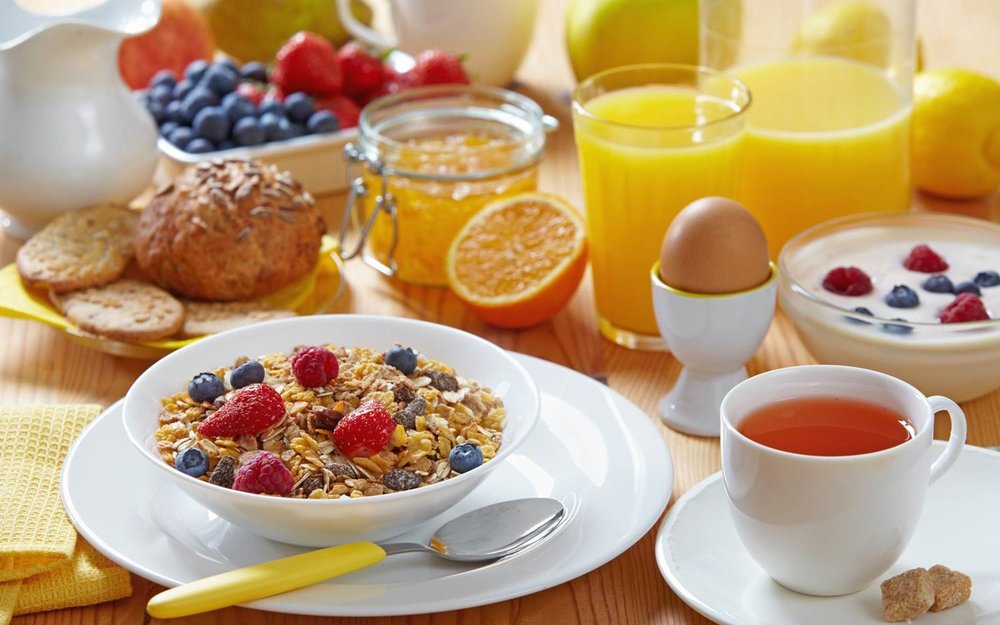
Most people imagine emergency food as dusty buckets of freeze-dried meals that sit untouched for decades. Those kits often promise security but rarely match what families actually enjoy eating. That gap leads to wasted money and food that never gets used. A better plan exists, and it starts with a simple idea. Store the foods you already cook, and cook the foods you store.
This strategy turns your pantry into what many people call an edible emergency fund. Instead of chasing long shelf life meals you would never choose on a normal day, you build a pantry filled with familiar foods. That pantry works during everyday life and during tough times.
Start With a Menu
Farm / Pexels / Sit down and write a simple two-week menu that reflects your normal meals. List breakfasts, lunches, dinners, snacks, and drinks your household already enjoys.
Repeating meals is completely fine because most families rotate the same favorites anyway. The goal is realism, not variety for the sake of variety.
This menu becomes the blueprint for your pantry. Once the list is done, imagine a rough scenario where power or water might be limited. That quick mental exercise helps you notice which meals rely on fresh foods and which ones can come from shelf-stable ingredients. A pasta meal using canned tomatoes and dried noodles suddenly becomes a powerful pantry staple.
Next, turn that menu into an ingredient list. Break each meal down into its components and calculate the quantities needed for your household. A breakfast of oatmeal might require oats, milk powder or shelf-stable milk, and brown sugar. When you multiply those ingredients across fourteen days, your shopping list suddenly becomes precise and practical.
This approach prevents random buying and expensive mistakes. Every item has a purpose and a place in a future meal. Government preparedness groups often recommend at least a two-week food supply, which makes this menu method a perfect starting goal.
Build a Pantry That Feels Like a Real Kitchen
A good emergency pantry should look like a working kitchen, not a survival bunker. The foundation of that pantry starts with simple meal ingredients that can transform into many different dishes. Rice, pasta, oats, lentils, beans, canned tomatoes, broth cubes, tortillas, and grains like quinoa all fall into this category. These ingredients act like quiet workhorses that keep dinner possible even on difficult days.
Those staples allow you to cook soups, grain bowls, pasta dishes, or hearty stews with minimal effort. A bag of rice combined with canned beans and spices becomes a filling dinner in minutes. A jar of tomato sauce and pasta creates a familiar comfort meal when everything else feels uncertain.
A second layer of the pantry focuses on flavor. Basic ingredients only shine when they have strong companions that add depth and personality. Olive oil, soy sauce, vinegars, mustard, honey, and hot sauce can transform plain grains or beans into something satisfying. A small collection of spices such as paprika, garlic powder, onion powder, and pepper also stretches your cooking options.
Keep Your Pantry Fresh and Organized
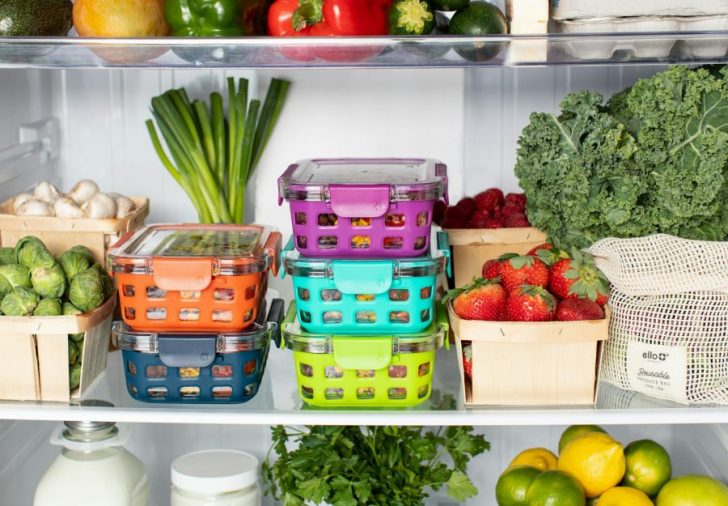
Ello / Unsplash / Always place new groceries behind older items on the shelf. This method, often called ‘first in, first out,’ ensures older foods get used before they expire.
This small routine dramatically reduces waste. When you reach for a can of beans or a box of pasta, the oldest item sits right in front of you. That automatic rotation means your stockpile stays fresh without complicated tracking systems.
Clear containers can also improve pantry organization. Moving flour, pasta, sugar, or grains from flimsy bags into airtight containers protects them from moisture and pests. These containers also make your shelves easier to scan because you can instantly see what you have and what needs restocking.