Money has gone fully digital, but the tools we use still serve very different roles. Digital wallets feel fast and modern, while bank accounts feel steady and reliable. That contrast creates a real question for everyday users. Which one actually fits your life and your money habits?
The short answer is simple. You do not have to pick one over the other. Most experts in 2026 agree that using both together gives you the best results. Each tool solves a different problem, and combining them makes your financial setup stronger and easier to manage.
What Makes Digital Wallets So Popular?
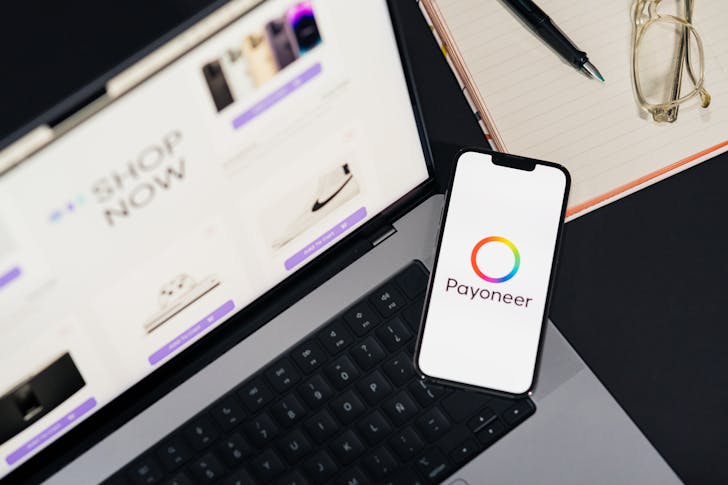
Julio / Pexels / Digital wallets are built for speed and convenience. They let you send money in seconds, tap your phone to pay at a store, and split bills without thinking twice.
This ease has pushed them into daily life, especially with the rise of online shopping and mobile payments.
People like how smooth everything feels. You do not need to carry cash, and you rarely need to type long card details again. With one tap, your payment is done, and that simplicity keeps users coming back again and again.
Another reason for their growth is how they fit into modern lifestyles. Many wallets connect with apps, subscriptions, and even crypto platforms. This makes them become a central hub for daily spending and quick financial actions.
Still, speed comes with trade-offs. Digital wallets focus on movement, not long-term storage. They are great for spending and sending money, but they are not designed to hold large savings safely over time.
You Can’t Ignore Bank Accounts, Though
Bank accounts focus on stability and protection. They are built to store your money safely and handle bigger financial tasks like salaries, savings, and bill payments. This makes them essential for long-term planning and financial security.
One major advantage is deposit protection. In many countries, banks insure your money up to a certain limit. This means your funds stay protected even if something goes wrong with the bank itself. That level of safety does not exist in most digital wallets.
Banks also offer structured services. You can set up automatic payments, earn interest on savings, and access loans when needed. These features make bank accounts more complete for managing your financial life.
The trade-off is speed and flexibility. Traditional banking can feel slower and more rigid compared to digital wallets. Transfers may take longer, and the user experience often feels less smooth than modern apps.
Risk, Control, and More

Leelo / Pexels / Digital wallets often give you more direct control over your money, but they also place more responsibility on you.
If you lose access to your wallet or fall for a scam, recovery can be difficult. Some platforms offer support, but the process can be slow and limited. In crypto wallets, the risk is even higher because there is usually no safety net at all.
Bank accounts work differently. They follow strict rules and offer customer protection systems. If fraud happens, you can file a complaint and often recover your money. This structure adds a layer of trust that digital wallets still struggle to match.
Returns also tell an interesting story. Traditional bank savings offer low interest rates, often under one percent. Some digital platforms and crypto services promise much higher returns, sometimes reaching double digits.
Higher returns always come with higher risk. That is the trade-off you need to understand before moving money into these options. Quick gains sound appealing, but stability matters more when you think long term.