Warner Bros. Discovery just cleared a major hurdle. Shareholders gave the green light to an $81 billion merger with Paramount Skydance, and that decision could reshape the entire entertainment business. The vote took place on April 23, 2026, during a virtual meeting that wrapped up months of drama and fierce competition.
Netflix had already made a strong move in late 2025, and Warner Bros. Discovery seemed ready to accept it. Then Paramount stepped in with a bigger offer, changed the momentum, and pushed the deal across the finish line with shareholder backing.
The Deal Changes the Power Map

Freepik / Paramount Skydance will pay $31 per share in cash to acquire all of Warner Bros. Discovery, bringing the total deal value to about $81 billion.
When debt is included, the number climbs to around $111 billion, which shows just how big this move really is.
The structure is simple on paper but huge in impact. A Paramount Skydance subsidiary will merge into Warner Bros. Discovery, which will continue to exist under Paramount’s full ownership. That means one company will control a wide range of brands that already dominate screens around the world.
The combined company will hold a powerful mix of content and platforms. Paramount will now own HBO, HBO Max, Warner Bros. Pictures, CNN, TNT, Discovery Channel, and more. Add in major franchises like “Harry Potter,” “Game of Thrones,” and the “DC Universe,” and it becomes clear this is about scale and influence.
Shareholders Say ‘Yes,’ But Push Back on Pay
The shareholder vote itself was not close. A strong majority supported the merger, which signals confidence in the long-term strategy. Investors clearly believe the combined company can compete better in a crowded and fast-changing market.
Still, not everything passed smoothly. Shareholders rejected a separate proposal tied to executive compensation, and that decision sent a clear message. The package included more than $800 million in benefits for top executives, including CEO David Zaslav.
That compensation plan raised eyebrows across the industry. It included over $500 million in accelerated equity awards and another $335 million in potential tax reimbursements. Critics called it excessive, especially given the scale of layoffs and cost cuts seen across the media sector in recent years.
The vote against the package is advisory, which means it does not block the payouts. Even so, it shows frustration among investors. They are willing to back the deal, but they are not thrilled about how rewards are being handed out at the top.
Regulatory Pressure and Foreign Investment Questions
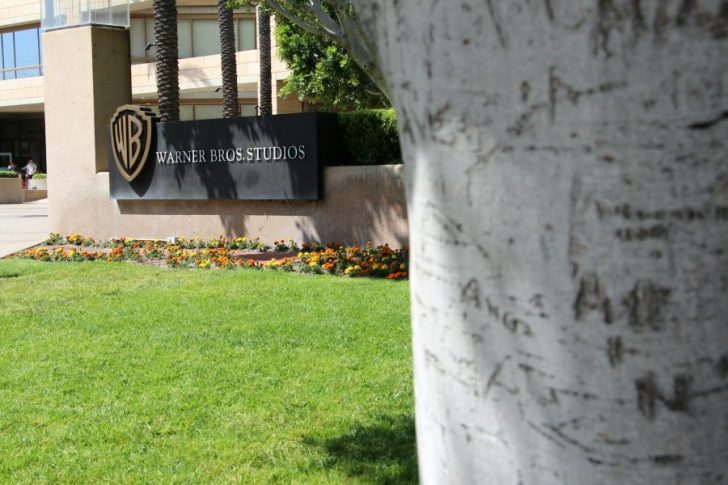
Brad / Unsplash / Regulators still need to sign off, and that process could take months. The companies expect the merger to close in the third quarter of 2026, but several hurdles stand in the way.
One of the biggest issues involves the Federal Communications Commission. Paramount owns CBS and a network of 28 TV stations, which means strict rules apply. U.S. law limits foreign ownership in broadcast companies, and this deal pushes right up against that limit.
Paramount plans to bring in $24 billion from investors tied to royal families in Saudi Arabia, Abu Dhabi, and Qatar. That funding would give foreign investors about 49% of the equity in the new company. To make this work, Paramount has asked the FCC for approval to go beyond the usual 25% cap.
The company argues that control will still stay in U.S. hands. The Ellison family will hold all voting shares, which means they keep decision-making power over key assets like CNN and CBS News. Regulators will need to decide if that structure is enough to address national interest concerns.
Some officials have gone further and called the merger a “serious risk.” They argue that control over major news outlets could become complicated when foreign money is involved. Even if voting control stays domestic, the optics and influence still matter in a sensitive sector.