Mark Cuban knows what it feels like to struggle. Long before he became a billionaire investor and one of the biggest names on “Shark Tank,” he lived paycheck to paycheck, shared a crowded apartment, and worried about paying basic bills. Those experiences shaped the way he thinks about success, wealth, and happiness.
Today, Cuban, 67, is worth $6 billion, but his advice about money remains surprisingly simple. He believes money can make life easier, but it cannot fix unhappiness. In his view, happiness starts with your mindset, not your bank balance.
One of his most quoted comments sums it up perfectly. “If you’re happy when you’re poor, you’re going to be happy when you’re rich. And if you’re miserable when you’re poor, you’re going to be miserable when you’re rich.”
Cuban’s Early Struggles Shaped His Outlook
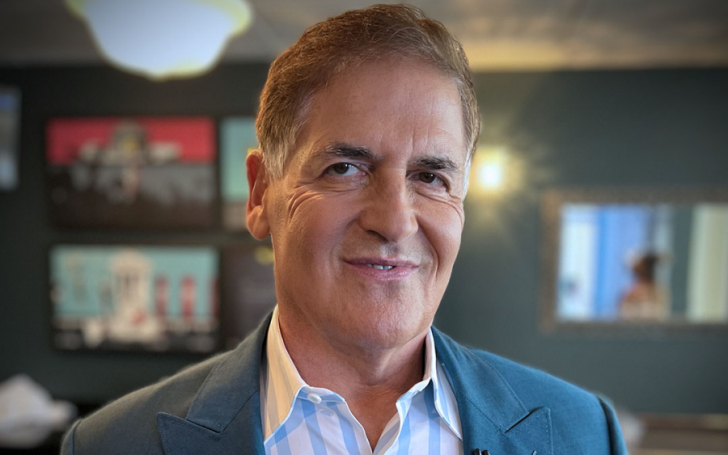
Cuban / IG / Mark Cuban grew up in a middle-class family in Pittsburgh, Pennsylvania. His parents worked hard, and he learned early that nothing comes without effort.
The ‘Shark’ started earning money as a kid by selling garbage bags door to door, proving he had an entrepreneurial streak from a young age. His path to wealth was anything but smooth. After college, Cuban faced several financial setbacks while trying to build his career. He has spoken openly about sharing a three-bedroom apartment with five roommates because it was all he could afford.
Looking back, he does not describe those years with bitterness. “I had a blast. His fortunes changed after selling MicroSolutions for $6 million. Years later, he co-founded Broadcast.com, which Yahoo acquired for an astonishing $5.7 billion. Overnight, Cuban became one of the richest entrepreneurs in America.
Money Solves Problems, Not Every Problem
Cuban never claims money has no value. In fact, he often says financial security removes many everyday worries. Paying bills becomes easier. Healthcare becomes more accessible. You gain more freedom over your time and your choices. That does not mean wealth automatically creates joy.
According to Cuban, people who feel empty before becoming rich often discover that money simply changes the type of problems they face. New pressures appear. Protecting wealth becomes another source of stress. Fear of losing money can replace the fear of not having enough.
“Money buys comfort. It doesn’t buy happiness,” the billionaire says. That idea runs against the belief that earning more will finally make everything feel complete. Cuban argues that emotional struggles rarely disappear with a larger paycheck. They usually follow people through every stage of life.
Family, Friends, and Time Matter More

Cuban / IG / One reason Cuban says wealth never changed him is that the people closest to him remained the same. He still values friendships that began long before he became famous.
Many of his closest friends come from high school, college, and his rugby days. Those long-lasting relationships remind him of life before business success. They also keep him grounded. Real friendships are built on trust and shared experiences, not financial status.
Family also sits at the center of his life. Cuban has often said he would still be happy with just a tiny fraction of his fortune as long as he had his wife and children. That statement speaks louder than any estimate of his net worth.
The billionaire’s everyday habits also reflect his practical mindset. Despite having more than enough money to hire help, Cuban has said he often handles household chores himself. It gives him privacy and helps maintain a sense of normal life.
His first major luxury purchase after becoming a billionaire also surprised many people. Instead of buying dozens of sports cars or extravagant mansions, he bought a private jet.